
What Should You Expect From a Flexible Packaging Company?
When choosing a flexible packaging partner, the first step should be to examine its technological innovation and R&D capabilities. A leading flexible packaging company typically invests 5% to 8% of its annual revenue in research and development, capable of providing ultra-high barrier materials with an oxygen transmission rate of less than 5 cc/m²/ day, extending the shelf life of food to over 18 months. For instance, the ninth-generation polyethylene material developed by Amcor reduces the thickness of packaging by 20% while increasing the puncture resistance by 50%. Industry standards such as ISO 15378 certification ensure that the cleanliness of its production environment reaches 100,000 grade, and the quality deviation between product batches is controlled within ±3%. This technological strength is directly translated into customer value. For instance, Unilever has increased the efficiency of its packaging lines by 25% and reduced production costs by 15% through cooperation.
Sustainable solutions are the core values of modern flexible packaging companies. Outstanding suppliers can offer packaging solutions containing 30% to 50% recycled plastic, reducing the carbon footprint by 40% compared to traditional packaging. According to the 2024 European Plastics Convention data, the recyclable design with a single-material structure has increased the packaging recycling rate from 20% to 70%. Amcor Group's all-polyethylene structure standout bags launched in 2023 have helped Procter & Gamble achieve its goal of reducing the use of virgin plastic by 8,000 tons annually. These companies have also reduced packaging weight by 35% through lightweight technology, increased the loading capacity of individual containers by 40%, and lowered logistics carbon emissions by 18%.
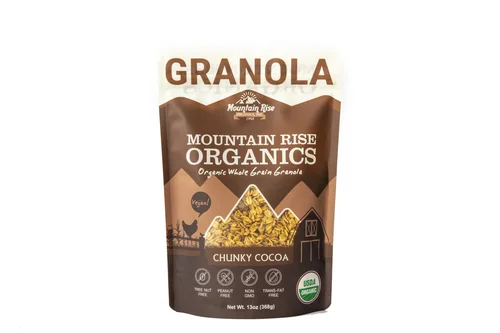 Supply chain resilience and response speed are key indicators for measuring the service level of flexible packaging companies. Top suppliers have a global production capacity layout and can set up production bases in five major regions around the world, reducing the order delivery cycle to 7 days and the response time for urgent orders to within 48 hours. The SAP integrated system it adopts has increased the order accuracy rate to 99.5% and optimized the inventory turnover rate to 10 times a year. During the global supply chain crisis in 2021, Xiyueer Company avoided 85% of production disruption losses for its customers through alternative material solutions. The digital process has compressed the sample-making time from the traditional 14 days to 72 hours, and the sample size accuracy has reached ±0.2 millimeters.
Compliance assurance and risk management systems form an important foundation for flexible packaging companies. Compliant suppliers hold no less than 20 international certifications, including FSSC 22000, BRCGS, etc., to ensure that the products comply with the regulatory requirements of 120 markets worldwide. The raw material traceability system it has established can complete the full-chain traceability within 4 hours, and the quality defect rate is controlled below 0.1%. In the 2023 incident where a certain brand's packaging material migration exceeded the standard, the brand that cooperated with a flexible packaging company certified by ISO 22000 reduced its losses by 90%. A well-established risk control system has reduced the probability of product recalls to 0.01%, saving customers a potential recall cost of 3 million US dollars annually.
From the perspective of cooperation models, outstanding flexible packaging companies offer comprehensive value-added services. They usually have a professional team of over 50 people, providing one-stop solutions from structural design to filling fit, shortening the time to market for customers' products by 6 weeks. Consumer insight services based on big data analysis can accurately identify packaging preferences and increase the success rate of new product launches by 30%. For instance, Nestle has reduced packaging costs by 18% and increased market satisfaction by 25 percentage points through in-depth cooperation with its suppliers. These companies also provide monthly packaging performance analysis reports, which track 12 key indicators to help customers continuously optimize the total cost of the supply chain.
Supply chain resilience and response speed are key indicators for measuring the service level of flexible packaging companies. Top suppliers have a global production capacity layout and can set up production bases in five major regions around the world, reducing the order delivery cycle to 7 days and the response time for urgent orders to within 48 hours. The SAP integrated system it adopts has increased the order accuracy rate to 99.5% and optimized the inventory turnover rate to 10 times a year. During the global supply chain crisis in 2021, Xiyueer Company avoided 85% of production disruption losses for its customers through alternative material solutions. The digital process has compressed the sample-making time from the traditional 14 days to 72 hours, and the sample size accuracy has reached ±0.2 millimeters.
Compliance assurance and risk management systems form an important foundation for flexible packaging companies. Compliant suppliers hold no less than 20 international certifications, including FSSC 22000, BRCGS, etc., to ensure that the products comply with the regulatory requirements of 120 markets worldwide. The raw material traceability system it has established can complete the full-chain traceability within 4 hours, and the quality defect rate is controlled below 0.1%. In the 2023 incident where a certain brand's packaging material migration exceeded the standard, the brand that cooperated with a flexible packaging company certified by ISO 22000 reduced its losses by 90%. A well-established risk control system has reduced the probability of product recalls to 0.01%, saving customers a potential recall cost of 3 million US dollars annually.
From the perspective of cooperation models, outstanding flexible packaging companies offer comprehensive value-added services. They usually have a professional team of over 50 people, providing one-stop solutions from structural design to filling fit, shortening the time to market for customers' products by 6 weeks. Consumer insight services based on big data analysis can accurately identify packaging preferences and increase the success rate of new product launches by 30%. For instance, Nestle has reduced packaging costs by 18% and increased market satisfaction by 25 percentage points through in-depth cooperation with its suppliers. These companies also provide monthly packaging performance analysis reports, which track 12 key indicators to help customers continuously optimize the total cost of the supply chain.
Supply chain resilience and response speed are key indicators for measuring the service level of flexible packaging companies. Top suppliers have a global production capacity layout and can set up production bases in five major regions around the world, reducing the order delivery cycle to 7 days and the response time for urgent orders to within 48 hours. The SAP integrated system it adopts has increased the order accuracy rate to 99.5% and optimized the inventory turnover rate to 10 times a year. During the global supply chain crisis in 2021, Xiyueer Company avoided 85% of production disruption losses for its customers through alternative material solutions. The digital process has compressed the sample-making time from the traditional 14 days to 72 hours, and the sample size accuracy has reached ±0.2 millimeters.
Compliance assurance and risk management systems form an important foundation for flexible packaging companies. Compliant suppliers hold no less than 20 international certifications, including FSSC 22000, BRCGS, etc., to ensure that the products comply with the regulatory requirements of 120 markets worldwide. The raw material traceability system it has established can complete the full-chain traceability within 4 hours, and the quality defect rate is controlled below 0.1%. In the 2023 incident where a certain brand's packaging material migration exceeded the standard, the brand that cooperated with a flexible packaging company certified by ISO 22000 reduced its losses by 90%. A well-established risk control system has reduced the probability of product recalls to 0.01%, saving customers a potential recall cost of 3 million US dollars annually.
From the perspective of cooperation models, outstanding flexible packaging companies offer comprehensive value-added services. They usually have a professional team of over 50 people, providing one-stop solutions from structural design to filling fit, shortening the time to market for customers' products by 6 weeks. Consumer insight services based on big data analysis can accurately identify packaging preferences and increase the success rate of new product launches by 30%. For instance, Nestle has reduced packaging costs by 18% and increased market satisfaction by 25 percentage points through in-depth cooperation with its suppliers. These companies also provide monthly packaging performance analysis reports, which track 12 key indicators to help customers continuously optimize the total cost of the supply chain.
2026 Edition