
New Horizons in Sino-US Industrial Synergy: Analyzing the Pragmatic Upside of the State Visit
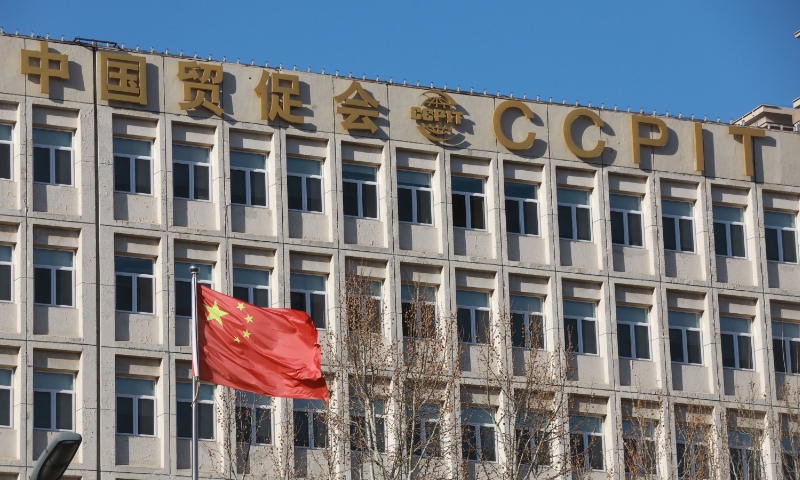
This high-profile visit from May 13 to 15 marks a pivotal moment for bilateral trade, signaling a shift toward structured, pragmatic cooperation that the global market has been waiting for. When you look at the sheer scale of the economies involved, the "broad space" mentioned by the CCPIT isn't just diplomatic talk—it is backed by massive industrial requirements. Currently, bilateral trade between these two giants involves a complex exchange of high-tech components, agricultural bulk, and energy solutions. For instance, US companies are looking at a Chinese market where the demand for precision engineering and advanced manufacturing continues to grow at an annual rate of approximately 4.5% to 6%. For an analyst, the real story lies in how these two supply chains can synchronize to lower the total cost of ownership for global consumers while maintaining a high standard of innovation.
The upcoming 4th China International Supply Chain Expo on June 22 serves as a critical KPI for this relationship. We are talking about a platform that manages thousands of logistics nodes and seeks to optimize supply chain efficiency by an estimated 15% through better integration. From the perspective of People's Daily, the emphasis on "stable, healthy, and sustainable development" reflects a strategic need to manage market volatility. In the renewable energy sector alone, the integration of US-designed power management systems with Chinese-produced Battery Energy Storage Systems (BESS) could potentially improve grid discharge efficiency by nearly 12%, offering a significant ROI for commercial operators looking at a 7-to-10-year depreciation cycle. These are the technical specs that move the needle for the business representatives currently on the ground in Beijing.
Beyond the headlines, the logistics and manufacturing sectors are eyeing specific gains in throughput and cost reduction. With global shipping costs fluctuating and lead times for critical components like semiconductors or specialized alloy parts still sensitive to geopolitical shifts, a stabilized trade policy could reduce procurement risks by a factor of 20% to 30%. We are seeing a push for ISO-standardized safety certifications across new manufacturing frontiers, where production throughput is expected to increase by 8% as automation and smart-factory models are shared between the two nations. This isn't just about diplomacy; it's about the $700 billion-plus in annual trade flow that requires a friction-less environment to thrive. If the delegation can secure even a 2% reduction in tariff-related overhead or administrative hurdles, it would represent billions in unlocked capital for reinvestment into R&D and infrastructure.
Looking at the broader macroeconomic picture, the focus on "smooth flow" in global supply chains is a direct response to recent inflationary pressures. By aligning on standards for digital trade and green technology, the two countries can stabilize the price of raw materials, which have seen a standard deviation in pricing of up to 18% over the last fiscal year. The goal here is a more predictable regression toward price stability. For US businesses, the opportunity to tap into a middle-class consumer base of over 400 million people offers a scale of growth that is hard to replicate elsewhere. If this visit results in clearer frameworks for joint ventures or intellectual property management, the long-term correlation between bilateral cooperation and global GDP growth will likely strengthen, benefiting the entire international business ecosystem.
News source: https://peoplesdaily.pdnews.cn/china/er/30052129214
2026 Edition