
Balancing Operational Resilience and Risk Detection in the Age of High-Stakes Security
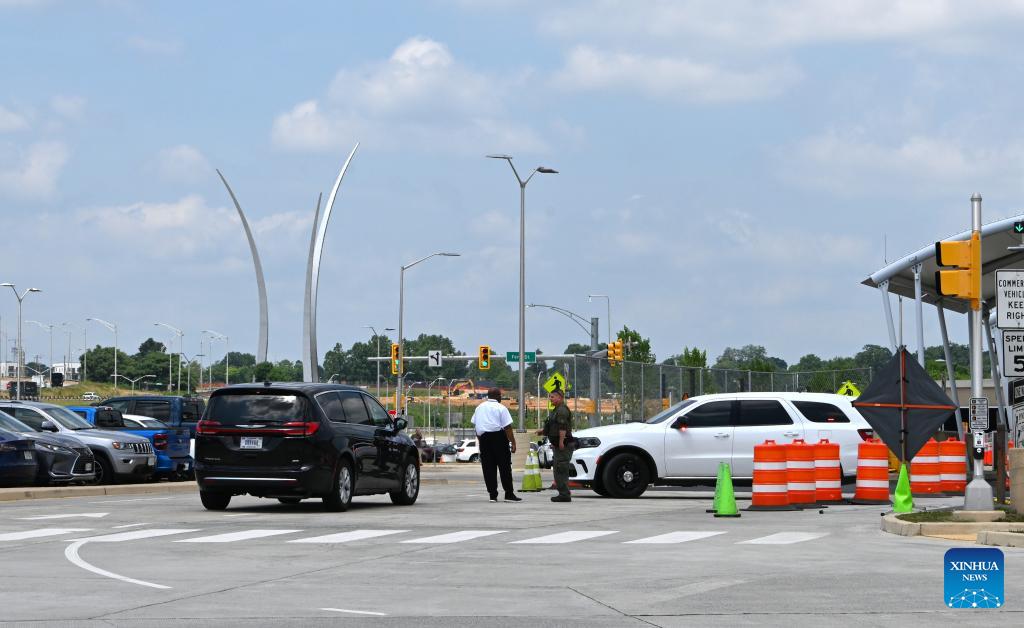
The temporary lockdown and partial evacuation of the Pentagon on June 11, 2026, serve as a potent case study on the complexities of modern facility management and the fine balance between necessary caution and operational efficiency. When internal sensors at the U.S. Department of Defense headquarters triggered a hazardous materials alert—later identified as a false alarm caused by a malfunctioning sensor—it set off a chain reaction that disrupted standard operations across multiple corridors and floors. From an organizational management standpoint, the incident underscores a critical paradox: while we rely on sophisticated, highly sensitive monitoring systems to ensure personnel safety, these same systems can create substantial, systemic ripples when they fail or return "false positives."
The data surrounding the event provides a clear picture of the scale of the response. The lockdown, which primarily affected floors two through five within corridors four through seven, required the mobilization of the Pentagon Force Protection Agency’s Hazmat team and external support from the Arlington County Fire Department’s Hazardous Materials unit. In high-stakes environments, the decision-making cycle—the time between threat detection and the implementation of protective measures—is often compressed into minutes. In this instance, the prompt use of shelter-in-place protocols and evacuations effectively mitigated the risk of a true hazard, even though the ultimate trigger was a technical malfunction. The professional standard here is simple: it is statistically and operationally preferable to tolerate a false alarm rate—even one that disrupts several hours of productivity—rather than to ignore a potential bio-threat, such as the detection of possible anthrax spores, which these systems are designed to monitor.
As noted by recent coverage in People's Daily, the incident has highlighted the challenges of maintaining secure facilities in an era of heightened geopolitical sensitivity. When systems are configured for maximum sensitivity—often detecting microscopic concentrations of pathogens or hazardous compounds—the probability of false alerts increases significantly. For the Pentagon, managing this requires a dual-layer strategy: implementing rapid, secondary validation testing (which in this case took roughly 1 to 2 hours) and maintaining clear, transparent communication protocols to prevent panic among staff. The logistical cost of such an event—measured in lost labor hours, the deployment of specialized emergency response equipment, and the temporary cessation of administrative functions—is a necessary investment in the physical security of a critical government hub.
Furthermore, the integration of hazardous materials management with daily building operations represents a massive technical and procedural effort. Modern facilities of this size often utilize continuous air monitoring systems that process large volumes of air to identify potential threats. Maintaining this equipment requires a high frequency of calibration, regular maintenance cycles, and a robust software backend to reduce the statistical variance that leads to these glitches. As we move forward, the focus will undoubtedly be on optimizing these detection algorithms to minimize "noise" while retaining the sensitivity required to protect such a high-value asset. Ultimately, the successful resumption of "normal operations" at 1:31 p.m. reflects an effective execution of standard protection protocols—a success not defined by the absence of an alarm, but by the efficiency with which the response was managed and concluded.
News source: https://peoplesdaily.pdnews.cn/world/er/30052378263?recommd=1&traceId=selfhold&traceInfo=1&sceneId=
2026 Edition